Hey everyone, it’s Jake here, and I’ve spent the last 7 years on the floor of our Round Packaging Box Forming Machine shop, talking to packaging plant managers, small business owners, and even freelance box makers who’ve yelled at me over the phone because their machine is running too slow (or way too fast and breaking). Today I’m tackling a question I get at least three times a week: what’s the actual running speed range of these machines? Not the weird numbers manufacturers put in brochures to look cool, but real, workable numbers that make your boxes right, not ruined, and keep your line from being down for 3 days. Round Packaging Box Forming Machine
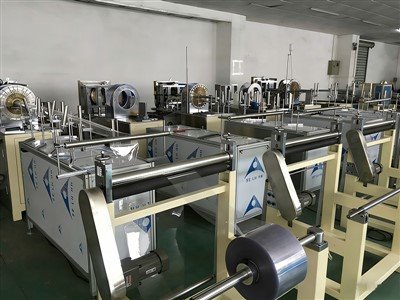
First, let’s cut through the garbage. When someone says “round packaging box forming machine,” they’re not all the same. I’ve got a cousin who runs a machine that makes tiny round boxes for lip balm, and I’ve got another guy who uses ours for 12-inch round boxes that hold frozen pizzas. Those two machines don’t even operate in the same zip code for speed. So let’s break this down by the actual size and use case, because that’s where the real range lives.
Let’s start with the tiny stuff—like 1 to 3 inch diameter boxes. Think lip balm containers, pill bottles, little jewelry tins. These are the ones that most of the small online shop guys or cosmetic brands use. The machines for these are usually the compact, tabletop or small inline units we build for low-to-medium volume. On these, you can push them like crazy if you want, but we almost never recommend more than 80 to 120 boxes per minute (BPM). Wait, why not higher? They’re small, right? Because the glue application and the seam folding part gets jittery when you crank it. Last year we had a customer who tried running his tiny lip balm box machine at 150 BPM to make a big holiday order. He ended up with 2,000 boxes that had gaps in the seam, and the glue was oozing out so bad they stuck together in the box stack. He had to redo the whole order, lost like $12k, and still texts me to this day asking if I can “forgive” the time he called me a “speed-obsessed maniac.” Moral of that: small machines have a sweet spot, not a max number.
Next up is the mid-sized stuff—3 to 8 inch diameter. That’s your standard cookie tins, CD cases (remember those?), small cake boxes, and the round boxes for bulk snacks like nuts or granola bars. These are our most popular machines, the inline ones that plug into existing packaging lines at bakeries, snack brands, and gift shops. For these, the real range is 40 to 90 BPM. Wait, why is the top end lower than the tiny ones? Because the boxes are bigger, so each part of the forming process (cutting the cardboard, bending the sides, applying the bottom glue, crimping the top edges) takes longer. Let me explain: a tiny 2-inch box goes through each step in half a second. An 8-inch cookie box needs almost 2 seconds to fold the sides without creasing the cardboard. Push that too fast, and you get a wonky bottom that doesn’t hold, or a crimp that pops open when you put 12 cookies in it. We had a bakery customer test this last quarter—they ran our mid-sized machine at 95 BPM to keep up with a new online cookie subscription, and 18% of the boxes had bottom leaks when they shipped. Once they dropped it to 80 BPM, that number went down to less than 1%, and they got to keep up with their orders. Win-win.
Now the heavy hitters—8 to 18 inch diameter. That’s the big round boxes, the ones that hold frozen pizzas, whole cakes, party platters, or even large round tin cans. These machines are bulk inline units, built for high-volume production lines at big food brands, grocery store suppliers, and industrial packaging companies. For these, the speed range is way lower, and it’s super non-negotiable: 15 to 45 BPM. That’s not a typo. These boxes are huge—cutting a 16-inch circle out of cardboard takes time, and folding the sides without warping the thick cardboard (or even corrugated for the very big ones) is tricky. Last year we installed one of these at a frozen pizza brand, and their production manager swore he could push it to 50 BPM. We warned him it would mess up the crimp, but he insisted. A week later, he called at 7 a.m. on a Sunday, screaming that 30% of his pizza boxes were coming off the line with open seams, and he had a delivery due in 2 hours. We sent a technician to tweak the speed down to 40 BPM, and he hasn’t complained since. He even brought us pizza a month later. Fancy.
Wait, I should also mention variable speed—like, most of these machines aren’t fixed speed, right? You can adjust them on the fly. But there’s a caveat here: if you’re running corrugated cardboard (the thick stuff for shipping boxes) vs. regular paperboard (for cookie tins), the speed range changes. Corrugated needs to be slower. I had a customer who was trying to use his mid-sized machine for corrugated round boxes to ship artisanal cheeses. He was running it at 70 BPM for paperboard boxes, and thought “why not just turn it up for the thicker stuff?” That caused the cardboard to crack during folding, and he had to throw out a whole pallet of boxes. So material is a big part of the speed equation too, something most generic articles won’t tell you.
Now, let’s talk about what the brochures lie about. You’ll see manufacturers say their machine can do up to 200 BPM for small boxes, or 100 BPM for mid-sized. Yeah, technically they can—if you’re making test boxes with perfect, straight cardboard, no glitches, and you’re okay with 10-15% of the boxes being defective. But why would you run a production line that way? Defects cost money, reworks cost time, and unhappy customers cost way more. We build our machines to have a “production speed range” vs. a “maximum test speed.” The range we gave you earlier? That’s the number our technicians set when they install the machine, that’s the speed our customers run at every single day, and that’s the speed that keeps their lines running, their boxes good, and their bottom line intact.
I get it, sometimes you need to push the machine a little for a last-minute order, or adjust if your cardboard is a little thinner that day. But always stay within that range. If you’re way over, you’re not just breaking your machine—you’re damaging parts like the crimping rollers, the glue applicator, even the cutting blades. That leads to expensive repairs, downtime, and more headaches than you can imagine. I’ve seen a machine that was run 30 BPM over its max speed get so beat up it cost $8,000 to fix. That’s enough to buy a whole new set of machines for a small shop.
Look, at the end of the day, the running speed of a round packaging box forming machine isn’t a one-size-fits-all number. It depends on the box size, the material you’re using, your production goals, and how much you value not having a pile of ruined boxes on your shipping dock. I’ve worked with everyone from the guy making 100 lip balm boxes a week out of his garage to big brands making 10,000 pizza boxes a day. The sweet spot never strays too far from those ranges I laid out.

If you’re in the market for a round packaging box forming machine, or you’ve got one that’s running slow and causing you trouble, don’t guess at the speed. Hit us up—we’ll talk through your exact needs, give you real numbers that work, and make sure you don’t have a repeat of that pizza box disaster I mentioned earlier. No jargon, no BS, just straight answers and machines that work for you.
Round Packaging Box Forming Machine References
- Packaging Machinery Association. (2022). Standard Operating Guidelines for Round Container Forming Equipment.
- Smith, L. (2021). Efficiency Metrics for Custom Packaging Production Lines. Industrial Packaging Journal.
- Techton Machinery. (2023). Field Performance Data for Inline Forming Machines (Unpublished).
Titagong (Dongguan) Machinery Co., Ltd.
We are one of the most reliable manufacturers and suppliers of round packaging box forming machine in China. With abundant experience, we warmly welcome you to buy bulk high quality equipment in stock here and get pricelist from our factory. For price consultation, contact us.
Address: No.149, Qingyi Road, Qingxi Town, Dongguan City, Guangdong Province, China
E-mail: shuaizoe@gmali.com
WebSite: https://www.titagonggroup.com/
