Hey there! If you’ve been hunting for new flooring lately, chances are you’ve stumbled on two big players lately: new SPC flooring and cork. As someone who’s been in the SPC game for a minute (I sell it, so let’s cut the B.S. — I know the ins and outs), I’ve gotten so many questions from homeowners, contractors, and even small shop owners asking how the two stack up. I get it — picking flooring is a big deal, it’s not just some tile you stomp on, it’s gonna be in your home for years, and you don’t wanna waste money on something that doesn’t fit your life. New SPC Flooring
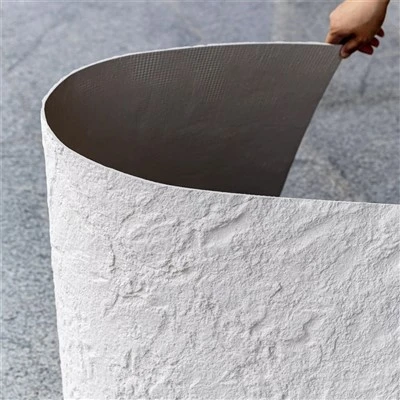
First off, let’s break down what each of these actually is, because a lot of people mix them up or have outdated ideas. New SPC flooring — that’s Stone Plastic Composite, right? The new stuff isn’t the cheap, cracky vinyl your parents might’ve had. Modern SPC has that super dense, rigid core made of limestone powder and polyvinyl chloride (PVC), plus a top wear layer that’s usually polyurethane or ceramic-coated now. I’ve sold this for a few years, and the biggest upgrade from the old SPC is that it’s way more flexible in temperature, so it doesn’t warp if you crank the heat in winter or have a hot day in the summer. No more gapping floors after a season of extreme temps, that’s the new stuff for you.
Cork, on the other hand, comes from the bark of cork oak trees — you harvest it every 9 years without hurting the tree, so it’s technically renewable. I get that, it sounds eco-friendly, and it does feel nice underfoot, like a soft little cushion if you drop a book or something. But let’s be real, cork has a bunch of flaws that you might not hear about when you’re scrolling TikTok for “sustainable flooring wins.”
Let’s start with durability, because that’s what everyone cares about first. My customers are usually two types: folks with kids and/or dogs, or people who have rental properties and need something that doesn’t get trashed. Cork, as nice as it feels, is pretty soft. If you drag a heavy couch across it? You’ll have a permanent indent. If you drop a high-heel stiletto? Forget about it, that’s a hole. And scratches? Even moving a chair without a felt pad will leave a mark that’s impossible to buff out. I had a guy come to me last year who’d put cork in his kitchen, and after 6 months, he had so many scratch marks from his dog’s nails that he was ready to rip it out.
New SPC flooring? It’s basically indestructible for residential use. The wear layer is thick — most of the stuff I sell is 20 mil or more, some even 30 mil — so scratches? They just sit on the surface, you can buff them out with a little floor wax. Water? Spill red wine, let your kid leave the tub water on the floor for an hour, even have a leak under the sink for a day? SPC doesn’t soak up anything. I had a customer who had a pipe burst in his basement, his SPC flooring got soaked overnight, he mopped it up and it was perfect next day. Cork? That’ll warp, swell, get mold if it sits wet too long. It’s only water-resistant on the surface, if it seeps in the edges you’re screwed. And heavy furniture? I’ve never heard of SPC getting an indent unless you’re dropping a fridge or something, which is never going to happen in a normal home. That’s a huge win for busy people.
Next up, installation — this is make-or-break for most folks, because no one wants to pay a fortune for a pro, or mess it up themselves. Cork installation? It’s a glue-down job, usually. You have to glue every single plank to the subfloor, and if you make a mistake, good luck lifting them without tearing the cork. Also, you have to acclimate cork for a few days before you put it down, let it adjust to the room’s humidity or it’ll shrink or bubble. That’s extra time and hassle.
New SPC flooring? It’s click-lock, baby. Most of the stuff I sell is rigid core click, so you just snap the planks together like big Lego pieces. No glue needed. And you can install it the day it arrives — no acclimation time (well, a day max, but not like 3-5 days for cork). You can even install it over existing floors, like old tile or vinyl, as long as it’s flat. That saves so much time and money on installation. I had a customer who’s a single mom, she installed SPC in her kitchen over her old linoleum in a weekend, no pro needed, and it looks like a million bucks. Cork? You can’t install it over existing floors usually, you have to tear out the old stuff first, which adds labor.
Then there’s comfort and insulation, because let’s be real, you want your floors to feel nice when you walk barefoot, and not have to pay a fortune in heating and cooling. Cork wins here, no question — it’s soft, it’s insulating, so it doesn’t get as cold in winter, and it’s got a little give if you’re standing in the kitchen while cooking for hours. I get that, that’s a big plus for a lot of people.
But wait, new SPC has that too! A lot of modern SPC has an attached underlayment pad right on the back, so it has a little cushion too. It’s not as soft as cork, but it’s way more stable. I’ve had customers say their SPC feels warmer than old vinyl floors, and the rigidity means it doesn’t have that bouncy, creaky feel that some click-lock flooring has. If you want extra cushion, you can even add a thin underlayment under SPC, and it’s still cheaper and easier than adding padding under cork.
Cost is another big one — let’s talk money, because that’s usually the deciding factor. New SPC flooring varies, but it’s usually between $2-$8 per square foot for materials, not including installation. That’s pretty competitive with mid-range cork. Wait, cork? Cork is usually $3-$12 per square foot, sometimes even more for the top stuff. But wait, don’t forget installation. Cork is glue-down, so if you hire a pro, installation is about $3-$5 per square foot. SPC click-lock is $1-$3 per square foot for installation, because it’s faster, no glue. So total, SPC is usually a few dollars cheaper total per square foot, and sometimes way less if you install it yourself.
But wait, what about that eco-friendly thing? A lot of people knock SPC for being PVC, which is a plastic, and cork is natural. Let’s be real, sustainability is tricky here. Cork is technically renewable, because you harvest the bark without cutting down the tree, and a lot of cork comes from Portugal or Spain, which are big on sustainable cork forests. But cork has its own issues — it’s often treated with chemicals to prevent mold and pests, and the transportation cost if it’s coming from overseas adds to its carbon footprint.
New SPC? It does have PVC, which is a plastic, but modern SPC manufacturers (the good ones, like the stuff I sell) use low-VOC formulas, so it doesn’t off-gas much — way less than old vinyl, and actually similar to cork in VOC levels. Also, SPC is 100% recyclable, most of it at the end of its life. Cork, on the other hand, if it gets damaged, you can’t really recycle it, you have to throw it away, and it’s not biodegradable as quickly as people think — it can take decades to break down in a landfill.
Wait, but what about pets? That’s a huge one for me, because I have a Great Dane who scratches everything. Cork is a no-go for dog owners, period. His nails would tear right through it. SPC? My cousin has a German Shepherd, he’s had SPC for 2 years, no scratches, no dents, nothing. It’s also stain-resistant — I had a customer spill coffee, red wine, even cat pee, and it just wipes up with a paper towel. Cork? That’s porous, so stains sink in, and you have to seal it every year to keep it from getting damaged. That’s extra maintenance.
Now, let’s be fair, cork isn’t all bad. If you’re installing in a home where no one has pets, no kids, you don’t have heavy furniture, and you just love that soft, warm feel — cork is fine. But most people I talk to are dealing with daily life: spills, moving furniture, kids, pets, busy schedules. That’s where new SPC flooring shines.
I also wanna talk about longevity. I sell SPC that has a 25-year residential warranty, some even lifetime. Cork? The warranties are usually 10-15 years, because it’s more prone to damage. So over time, SPC will last longer, so you don’t have to replace it. That saves you money in the long run.
Wait, one thing I’ve heard people complain about SPC is that it sounds hollow when you walk on it. But the new stuff I sell has that attached underlayment, so it doesn’t have that hollow sound. It sounds solid, like real hardwood. Cork sounds a little dull, like walking on a soft surface, which some people love, others don’t. So that’s personal preference, but it’s worth testing in a showroom if you can.
Let’s wrap this up, because I know this is a lot. Here’s the quick breakdown: if you want durability, easy installation, low maintenance, a good price, and something that can handle spills, pets, and heavy use — go with new SPC flooring. If you want that soft, cushiony feel, you don’t have kids or pets, you have time for annual sealing, and you don’t mind higher cost and more maintenance — cork might work for you.
At the end of the day, I sell SPC, but I’m not gonna lie and say it’s perfect for everyone. I’ve sent customers to get cork if that’s what fits their needs. But 9 times out of 10, when people tell me their life is busy, they have a family or pets, they want something that’s easy to keep clean, I tell them SPC is the way to go.

If you’re still on the fence, shoot me a note, no pressure, we can talk through your space, your budget, what you need from your floors. I’ll be straight with you, whether SPC is right or not, no sales tricks, just honest advice.
Other Wall Panels References:
- National Wood Flooring Association. (2023). Flooring Material Durability Comparison. NWFA Research Institute.
- Cork Quality Council. (2022). Cork Flooring Installation and Maintenance Guidelines. Cork Board International.
- Vinyl Institute. (2023). SPC Flooring Composition and Environmental Impact Report. Vinyl Industry Sustainability Program.
- Journal of Sustainable Construction Materials and Technologies. (2021). Comparative Life Cycle Assessment of Cork and SPC Flooring. Vol. 6, No. 2.
Shandong Dowell Decorative Material Co., Ltd.
With abundant experience, we are one of the most professional new SPC flooring manufacturers and suppliers in China. We warmly welcome you to wholesale premium new SPC flooring at competitive price from our factory. If you have any enquiry about cooperation, please feel free to email us.
Address: Room 913, 9th Floor, International Trade Service Center, No. 100 Lingong Road, Comprehensive Bonded Zone, Chaoyang Street, Yihe New District, Linyi City, Shandong PR, China
E-mail: info@dowellpanel.com
WebSite: https://www.dowellspcfloor.com/
