How to maintain post – installed embedded plates in outdoor environments
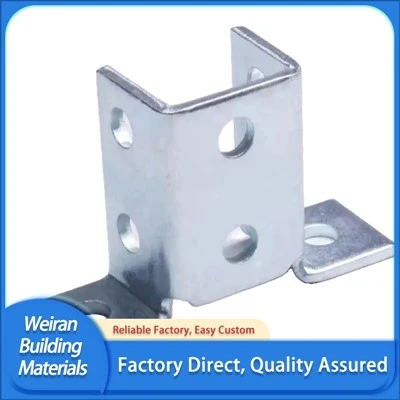
As a supplier of post – installed embedded plates, I’ve witnessed the strategic role these components play in various construction projects, especially those in outdoor settings. From large – scale infrastructure to smaller residential structures, post – installed embedded plates provide a reliable connection between the building structure and other elements. However, maintaining these plates in outdoor environments is a challenge due to the exposure to various harsh conditions. In this blog, I’ll share some practical advice on how to ensure the longevity and performance of post – installed embedded plates outdoors. Post-installed Embedded Plate
Understanding the Challenges of Outdoor Environments
Before delving into maintenance strategies, it’s crucial to understand the adversities that outdoor environments pose to post – installed embedded plates. First and foremost, weather factors are a major concern. Rain, snow, and high humidity can lead to corrosion, gradually weakening the structure of the plates. The freeze – thaw cycle in cold regions can also cause mechanical stress on the plates, potentially leading to cracks or loosening.
Temperature fluctuations are another issue. Extreme heat can cause expansion, while extreme cold causes contraction. Over time, these repeated thermal expansions and contractions can lead to material fatigue, reducing the effectiveness of the embedded plates. Additionally, exposure to sunlight can cause the outer layer of the plates to degrade, especially if the plating or coating used is not UV – resistant.
The presence of chemicals in the outdoor environment is also a threat. Industrial areas may have air pollutants containing acid gases, and coastal regions have a high salt content in the air. Both can accelerate the corrosion process of metal embedded plates.
Regular Inspection
Regular inspection is the cornerstone of maintaining post – installed embedded plates in outdoor environments. This should be carried out at a frequency determined by the severity of the environment. For instance, in highly corrosive areas such as coastal or industrial sites, inspections might be required quarterly, while in relatively mild environments, annual inspections could suffice.
Visual inspection is the simplest and most direct method. Look for signs of corrosion, such as rust spots, flaking paint, or discoloration of the plate surface. Check for any visible cracks on the plate or in the surrounding concrete or masonry where the plate is installed. Loose or missing fasteners are also a red flag, as they can compromise the stability of the connection.
In addition to visual inspection, non – destructive testing methods can be employed. Ultrasonic testing can detect internal flaws or cracks that are not visible to the naked eye. Magnetic particle inspection is useful for detecting surface and near – surface defects in ferromagnetic materials. These advanced testing methods can provide a more comprehensive understanding of the plate’s condition.
Cleaning and Surface Treatment
Cleaning is an essential part of maintaining post – installed embedded plates. Dirt, debris, and other contaminants can trap moisture against the plate surface, accelerating the corrosion process. Use a soft brush or compressed air to remove loose dirt and debris. For more stubborn contaminants, a mild detergent and water solution can be used. Avoid using abrasive cleaners or tools that could scratch the plate, as these scratches can become sites for corrosion initiation.
Once the plates are clean, proper surface treatment can significantly enhance their corrosion resistance. A high – quality paint or coating system is often the first line of defense. There are various types of coatings available, including epoxy coatings, zinc – rich primers, and polyurethane topcoats. The choice of coating depends on the specific environment and the type of metal used in the embedded plate. For example, in a marine environment, a zinc – rich primer followed by a polyurethane topcoat can provide excellent protection against saltwater corrosion.
Regularly re – applying the coating according to the manufacturer’s recommendations is also necessary. Over time, the coating may wear off or become damaged, and reapplying it will ensure continuous protection.
Protection Against Mechanical Damage
Outdoor post – installed embedded plates are also at risk of mechanical damage from various sources. Construction activities, impact from vehicles, or even vandalism can cause physical damage to the plates. To prevent this, barriers or protective covers can be installed around the plates, especially during construction or in high – traffic areas.
If the plates are located in an area where they may be subject to impact, consider using plates with additional reinforcement or thicker materials. This can enhance their resistance to mechanical forces and reduce the risk of damage.
Monitoring and Record – Keeping
Implementing a monitoring system is a proactive approach to maintaining post – installed embedded plates. This can include using sensors to monitor factors such as temperature, humidity, and corrosion levels. By continuously collecting data, it becomes possible to detect early signs of deterioration and take timely preventive measures.
Record – keeping is equally important. Maintain a detailed record of all inspections, cleaning, surface treatments, and any repairs or replacements carried out on the embedded plates. This record can help in tracking the long – term performance of the plates, identifying trends, and making informed decisions about future maintenance strategies.
Training and Education
Proper training of the personnel involved in the maintenance of post – installed embedded plates is crucial. They should be familiar with the inspection methods, cleaning procedures, and surface treatment techniques. Training can also help them recognize potential problems early and take appropriate action.
In addition to on – site personnel, it’s also important to educate the end – users about the importance of maintaining the embedded plates. Provide them with clear instructions on how to identify signs of damage and what steps to take in case of an issue.
Conclusion
Maintaining post – installed embedded plates in outdoor environments is a multi – faceted task that requires a combination of regular inspection, proper cleaning and surface treatment, protection against mechanical damage, monitoring, record – keeping, and training. By implementing these strategies, the longevity and performance of the embedded plates can be significantly enhanced, reducing the risk of structural failures and costly repairs.
Weather Resistant Sealant If you are in the market for high – quality post – installed embedded plates or need more in – depth advice on their maintenance, I encourage you to reach out for a procurement discussion. Our team of experts is ready to assist you in finding the best solutions for your specific needs.
References
- ASCE/SEI 10 – 15, Design of Latent Post – Installed Steel Anchorages in Concrete
- ASTM International Standards for Corrosion Testing and Protection of Metals
- Concrete Reinforcing Steel Institute (CRSI), Design Handbook for Concrete Reinforcement and Post – Installation
- Manufacturer’s technical manuals for post – installed embedded plates
Shandong Weiran Building Materials Co., Ltd.
Shandong Weiran Building Materials Co., Ltd. is one of the most experienced post-installed embedded plate manufacturers and suppliers in China, also supports customized service with low price. Welcome to buy bulk high quality post-installed embedded plate in stock here from our factory. Contact us for quotation.
Address: No.1, Street-front Shop, Jia 19, No.137 East Xingyuan Road, Zhangdian District, Zibo City, Shandong Province, China
E-mail: qinjuan@sdwrjc.com
WebSite: https://www.sdwrjc.com/
