As a supplier of corrugated boxes, I understand the critical role that linerboard plays in ensuring the quality, durability, and functionality of these essential packaging solutions. Choosing the right linerboard is not just about the appearance; it involves a comprehensive understanding of various factors that can impact the performance of your corrugated boxes. In this blog post, I’ll share my insights on how to make an informed decision when selecting linerboard for your corrugated box needs. Corrugated Box
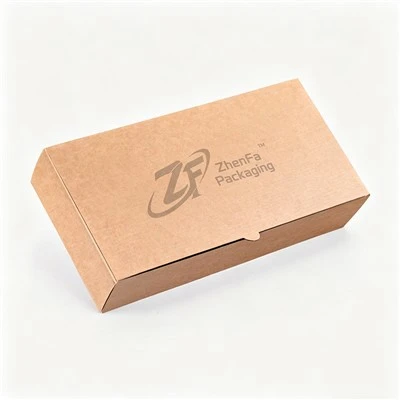
1. Understanding the Basics of Linerboard
Linerboard is a key component of corrugated boxes, forming the outer and inner layers that sandwich the corrugated medium. It provides strength, stiffness, and printability to the box. Two main types of linerboard are commonly used: kraft linerboard and recycled linerboard.
Kraft linerboard is made from virgin wood pulp, typically from pine or fir trees. It is known for its high strength, tear resistance, and excellent printability. Kraft linerboard is often used for applications where the box needs to withstand heavy loads or rough handling, such as shipping large or heavy products.
Recycled linerboard, on the other hand, is made from recycled paper and cardboard. It is a more environmentally friendly option and is often used for less demanding applications, such as packaging lightweight products or for promotional boxes. While recycled linerboard may not have the same strength and stiffness as kraft linerboard, advancements in recycling technology have significantly improved its quality in recent years.
2. Assessing Your Packaging Requirements
The first step in choosing the right linerboard is to assess your specific packaging requirements. Consider the following factors:
- Product Weight and Size: The weight and size of the product you are packaging will determine the strength and durability needed for the linerboard. Heavier products will require a stronger linerboard with higher bursting strength and column strength. For example, if you are packaging industrial machinery parts, you may need a kraft linerboard with a higher basis weight to ensure the box can support the weight without collapsing.
- Shipping and Storage Conditions: The conditions under which the boxes will be shipped and stored also play a crucial role in linerboard selection. If the boxes will be exposed to moisture during shipping or storage, you may need a linerboard with moisture resistance properties. For products that are sensitive to temperature changes, such as perishable goods, you may need to consider a linerboard with insulation properties.
- Printing and Branding Requirements: If you plan to print your logo, product information, or other branding elements on the box, the printability of the linerboard is an important consideration. Kraft linerboard generally offers better printability due to its smooth surface and absorbent nature. However, recycled linerboard can also be pre – treated to improve its printability. Consider the type of printing method you will use, such as flexography or lithography, and choose a linerboard that is compatible with the printing process.
3. Evaluating Linerboard Properties
Once you have a clear understanding of your packaging requirements, you can start evaluating the properties of different linerboards. Here are some key properties to consider:
- Basis Weight: The basis weight of linerboard is the weight of a ream of paper (usually 500 sheets) in a specified size. It is typically measured in pounds per 1000 square feet (lb/msf) in the United States or grams per square meter (gsm) in other countries. A higher basis weight generally indicates a thicker and stronger linerboard. However, increasing the basis weight also increases the cost and weight of the box, so it’s important to find the right balance for your application.
- Bursting Strength: Bursting strength measures the ability of the linerboard to withstand pressure before it ruptures. It is an important property for boxes that will be subjected to internal pressure, such as those filled with granular or liquid products. Bursting strength is usually measured in pounds per square inch (psi) or kilopascals (kPa). A higher bursting strength means the linerboard can better resist pressure and prevent the box from bursting.
- Tensile Strength: Tensile strength refers to the maximum amount of stress that the linerboard can withstand when pulled in one direction. It is important for boxes that will be handled or transported in a way that subjects them to stretching or pulling forces. Tensile strength is typically measured in pounds per inch (lb/in) or newtons per meter (N/m).
- Edge Crush Test (ECT): The ECT measures the ability of the linerboard to withstand vertical compression when the box is stacked on top of other boxes during storage or shipping. It is a critical property for determining the stacking strength of the corrugated box. The ECT is measured in pounds per linear inch (lb/in) and is used to ensure that the boxes can be stacked safely without collapsing.
- Moisture Resistance: If your product will be exposed to moisture, such as in a humid environment or during shipping in rainy conditions, moisture resistance is an important property to consider. Linerboard can be treated with a moisture – resistant coating or liner to prevent water absorption and maintain the strength of the box. Some common moisture – resistant treatments include wax coating, polyethylene coating, and clay coating.
4. Considering Environmental Factors
In today’s environmentally conscious world, many customers are looking for packaging solutions that are sustainable and eco – friendly. When choosing linerboard, consider the following environmental factors:
- Recyclability: Both kraft linerboard and recycled linerboard are generally recyclable. However, recycled linerboard has a higher environmental benefit as it is made from recycled materials, reducing the demand for virgin wood pulp. Look for linerboard that is certified by recognized recycling organizations, such as the Forest Stewardship Council (FSC) or the Sustainable Forestry Initiative (SFI).
- Biodegradability: If your packaging needs to be biodegradable, choose linerboard that is made from natural and biodegradable materials. Kraft linerboard, which is made from virgin wood pulp, is biodegradable, while some recycled linerboards may also be biodegradable depending on the source of the recycled materials and any treatments applied.
- Sustainable Sourcing: If you are committed to sustainable sourcing, look for linerboard that is produced from sustainably managed forests. The FSC and SFI certifications ensure that the wood pulp used in the linerboard comes from forests that are managed in an environmentally responsible, socially beneficial, and economically viable manner.
5. Working with a Reliable Supplier
Choosing the right linerboard can be a complex process, and it’s important to work with a reliable supplier who can provide you with expert advice and high – quality products. As a corrugated box supplier, I have the knowledge and experience to help you select the most suitable linerboard for your specific needs.
I can offer a wide range of linerboard options, including different types, basis weights, and treatments, to ensure that you get the best packaging solution for your product. I also work closely with my customers to understand their requirements and provide customized solutions that meet their budget and performance expectations.
In addition to providing high – quality linerboard, I can also offer value – added services such as box design, printing, and assembly. This allows you to get a complete packaging solution from a single source, saving you time and money.
Conclusion

Choosing the right linerboard for a corrugated box is a critical decision that can impact the performance, durability, and environmental footprint of your packaging. By understanding the basics of linerboard, assessing your packaging requirements, evaluating linerboard properties, considering environmental factors, and working with a reliable supplier, you can make an informed decision that meets your needs and provides the best value for your investment.
Rigid Boxes If you are looking for high – quality corrugated boxes and need assistance in choosing the right linerboard, I invite you to reach out to me. I’m here to help you find the perfect packaging solution for your products and ensure that your boxes meet the highest standards of quality and performance.
References
- "Corrugated Packaging: Materials and Processes" by Myers, Richard J.
- "The Packaging Handbook" edited by Rosato, Dominick V.
- Industry reports from the Fibre Box Association.
Wenzhou Zhenfa Packaging Co., Ltd.
As one of the most professional corrugated box manufacturers and suppliers in China, we have world-leading production equipment and strong manufacturing capabilities. Please feel free to wholesale bulk advanced corrugated box in stock here from our factory. Also, quotation is available.
Address: Room 105, Building 10, Century Science and Technology Entrepreneurship Park, Longgang City, Wenzhou City, Zhejiang Province
E-mail: ZhenfaPackaging@outlook.com
WebSite: https://www.cnzhenfa.com/
