Hey there, if you’re running a plastics manufacturing shop floor—whether you’re cranking out toy parts, packaging, or automotive trim—you know your plastic auxiliary equipment isn’t just “nice to have.” It’s the stuff that keeps your injection molding machines (IMMs) running, your material dry and consistent, and your production from grinding to a halt. But here’s the thing: most operators I chat with gloss over safety standards for this gear until something goes wrong. Last quarter, I had a client’s dehumidifier short out because they ignored a minor wiring flaw, and that shut down their 300-ton IMM for 12 hours. No fun, right? That’s why I’m breaking down what actually matters for plastic auxiliary equipment safety standards, straight from the perspective of someone who supplies this gear for a living. Plastic Auxiliary Equipment
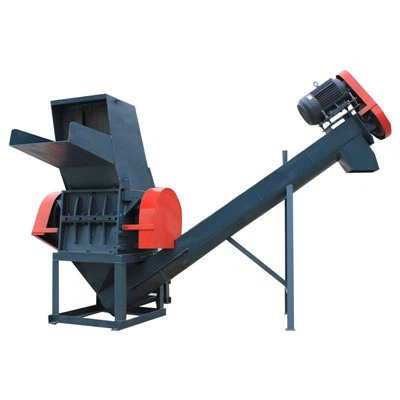
First off, let’s get clear on what “plastic auxiliary equipment” even covers here. We’re talking the sidekicks that make your main machines work: material dryers, gravimetric blenders, temperature controllers, auger feeders, chillers, and even granulators for regrind. Each of these has their own specific safety hoops to jump through, but there are overarching standards that apply across the board—none of which are just red tape. They’re there to keep your team from getting cut, burned, shocked, or worse, and to keep your production line running smoothly.
Let’s start with the big ones that most every piece of industrial gear has to follow, but get specific to plastic auxiliaries. OSHA (Occupational Safety and Health Administration) in the U.S., CE marking for EU markets, and ISO 12100 for general machinery safety are the foundation. Wait, but don’t just slap a CE sticker on and call it a day—CE requires you to document every safety check, too, which is a big one for our international clients. For example, a chiller we supply has to meet ISO 12100’s risk assessment: we walk through every part of how a worker might interact with it, from reaching around the condenser to cleaning the water circuit, and add guards or interlocks to eliminate those risks.
Now, let’s dive into the equipment-specific standards, because this is where it gets real for your shop. Take granulators, the machines that grind up scrap plastic to reuse. I see a lot of shops skip guards here, and that’s a disaster. OSHA’s 29 CFR 1910.217 says rotary granulators must have point-of-operation guards that only open when the machine is locked out and tagged out (LOTO) during maintenance. Last year, we had a client use an old granulator they owned that didn’t have interlocks—an operator stuck their hand in to clear a jam, and the blade caught. We replaced that guard with a keyed interlock that only unlocks when the power is off, and they haven’t had an issue since. Also, granulators handle plastic that can get super hot, so heat-resistant guards are non-negotiable—no flimsy plastic covers here, trust me.
Next, material dryers and dehumidifiers, which run at temps up to 350°F for engineering plastics like nylon or PET. The big safety call here is electrical safety and thermal protection. The NEC (National Electrical Code) 2023 Article 430 for industrial machinery requires overcurrent protection specific to each dryer’s heating element—too small a fuse and it’ll trip randomly, too big and it’ll overheat the unit. We add thermal cutoffs on every dryer we ship that shut off the heating element if the internal temp spikes, way before it can start a fire. I’ve had a client tell me their old dryer didn’t have that, and it melted the plastic hopper and singed the ceiling—$8k in damage, just from skipping a $15 safety part. Also, if you’re using desiccant dryers, make sure they have pressure relief valves—desiccant can build up pressure over time, and without a valve, the unit can rupture.
Blenders, especially gravimetric ones that mix additives into virgin plastic, have their own quirks. The biggest risk here is rotating parts—if the blender’s auger is spinning and someone reaches in to unclump material, that’s an amputation waiting to happen. ISO 13857 covers safeguarding distance for rotating shafts, and we make sure all our blenders have interlocks that kill power the second the hopper lid comes off. Wait, but I also always tell clients to train their team not to even try to open the blender while it’s running—interlocks are a backup, not a crutch.
Temperature controllers (TCs), which keep mold surfaces at precise temps, are often overlooked safety-wise but can cause big issues. Mold temps get hot enough to cause severe burns, so OSHA 29 CFR 1910.1030 (no, wait, that’s bloodborne—my bad, it’s OSHA 29 CFR 1910.252 for welding and cutting, but more applicable here is NFPA 70E for electrical safety around hot surfaces). TCs need warning labels for hot surfaces, and any part of the TC that gets over 140°F has to have a guard so no one bumps it. Also, some TCs use oil as a heat transfer medium—leaks there can cause slips and fires, so pressure testing every unit before it ships is non-negotiable for our team.
Chillers, which cool down mold water lines to speed up production, have their own standards too. The big one here is refrigerant safety. If you’re using a chiller with a compressional refrigerant, you have to comply with EPA Section 608, which certifies that whoever services the chiller knows how to handle refrigerant to prevent leaks and exposure. Also, water-cooled chillers need pressure relief valves on their water circuits—if the pump fails, water pressure can build up and crack the lines, leading to flooding and even electrical shock if water gets near the power components.
Now, let’s talk about something super important that doesn’t get enough airtime: usability of safety features. I’ve seen so many shops buy gear with fancy interlocks and guards that no one uses because they’re a pain to work with. For example, a granulator with a guard that’s bolted on (instead of quick-release) means operators will just remove it to clear jams faster, which defeats the whole purpose. That’s why when we design our auxiliary equipment, we balance safety with ease of use. Our granulators have quick-release guards that lock back into place automatically when you put them on, so operators don’t have to fumble with bolts. Our dehumidifiers have LOTO points that are easy to reach, right on the front of the unit, not hidden in the back where no one can find them. Safety features that are a hassle to use are useless—plain and simple.
Another thing: regular maintenance and inspections. Standards don’t just apply when you unbox the equipment—they apply every day it’s running. OSHA requires routine inspections of all powered auxiliary equipment, and keeping a log of those checks. For example, checking interlocks on granulators every week to make sure they still cut power when the guard is open, testing thermal cutoffs on dryers once a month, checking pressure relief valves on chillers every quarter. I always tell my clients to schedule a monthly “auxiliary equipment check” with their maintenance team—this isn’t a chore, it’s preventing downtime and injuries. A client of mine skipped that for six months, and their blender’s interlock wore out, but they caught it during a pre-shift check before anyone got hurt. That’s the difference between checking a box and actually following safety standards.
Wait, and for anyone buying used auxiliary equipment—be extra careful here. A lot of used gear you’ll find online skips current standards, or has modified parts that make it unsafe. Last year, a small shop I worked with bought a used dryer that had its thermal cutoff bypassed because the old owner said it “kept tripping.” That’s a red flag, no question. If you’re going used, hire a third-party safety inspector to go through every part of the equipment, make sure all interlocks, guards, and safety controls are up to current standards, and document it all. It’s worth the $300 or $400 you’ll spend to avoid a $100k downtime bill or a workers’ comp claim.
Now, let’s get to the practical stuff you can do right now, no matter what equipment you already have. First, do a quick walkthrough of your shop’s auxiliary equipment today. Check: do all rotating parts (blender augers, granulator blades, feeder screws) have guards that work? Do all heating units have thermal cutoffs? Are all electrical components labeled correctly, and do they have the right fuses or breakers? Second, train your team—safety standards only work if everyone knows them. I offer free 1-hour on-site training for all my clients on how to use safety features, do pre-shift checks, and follow LOTO procedures. It’s not a sales pitch, it’s just good business, because a safe team is a productive team.
If you’re in the market for new plastic auxiliary equipment, don’t just ask the supplier “is this safe?” Ask them to show you their risk assessments, their compliance with OSHA, CE, or ISO standards, and what safety features they’ve built in that aren’t just box-ticking exercises. A good supplier (hint, that’s me) will be happy to walk you through every safety part of the gear, not just the specs.
At the end of the day, safety standards for plastic auxiliary equipment aren’t just rules written by bureaucrats. They’re lessons learned from years of accidents, shutdowns, and costly mistakes. I’ve been supplying this gear for over a decade, and I’ve seen what happens when you cut corners on safety. It’s not worth it—one injury or unplanned outage can set your production back for months, and cost way more than investing in compliant gear and proper training.
If you’re looking to upgrade your auxiliary equipment, need help auditing what you already have, or just have questions about safety standards for a specific piece of gear, reach out to us. We work with shops of all sizes, from small startups to large multinational manufacturers, and we can help you find gear that’s both safe and fits your production needs. No pressure, no sales pitch—just real talk from someone who’s in the trenches with this stuff every day.
Plastic Drying Equipment References:
- Occupational Safety and Health Administration (OSHA). 29 CFR 1910.217, 29 CFR 1910.252. General Industry Standards for Machinery Safeguarding and Hot Work. U.S. Department of Labor, 2024.
- International Organization for Standardization (ISO). ISO 12100:2010, ISO 13857:2019. Safety of Machinery – General Principles for Design, Risk Assessment, and Safeguarding Distances for Hazardous Parts. ISO, 2019.
- National Electrical Code (NEC). Article 430, Article 70E. Electrical Standard for Industrial Machinery and Electrical Safety in the Workplace. National Fire Protection Association, 2023.
- U.S. Environmental Protection Agency (EPA). Section 608 of the Clean Air Act. Standard for Ozone-Depleting Refrigerant Handling. EPA, 2023.
- Plastics Industry Association (SPI). Safety Guidelines for Auxiliary Plastics Processing Equipment. SPI, 2022.
Laizhou Yuening Machinery Co., Ltd.
As one of the most reliable plastic auxiliary equipment manufacturers in China, we warmly welcome you to buy cheap plastic auxiliary equipment made in China here from our factory. All customized machines are with high quality and low price. For pricelist, contact us now.
Address: Yuanjia Village, Luwang, Shahe Town, Laizhou City, Yantai City, Shandong Province
E-mail: yueningjixie@163.com
WebSite: https://www.ynplasticmachinery.com/
