Let’s cut to the chase — if you’ve ever stood next to a gravure roller press running at full tilt, you know the drill: it’s loud. Like, “can’t hear your coworker yell right next to your ear” loud. I’ve been selling gravure rollers for over a decade now, and I’ve lost count of how many clients have pulled me aside, complaining about two things: their presses’ noise is driving their operators crazy, and their productivity is tanking because of it. What’s crazy is that most of them don’t connect the dots between a loud, chaotic working environment and the wear and tear on their equipment — specifically, the gravure rollers I supply. It’s not just operator comfort here; this is a full-circle issue that hits productivity, quality, and even your bottom line. Let’s break this down without the boring jargon, because I get it — you’re busy keeping your production lines moving, not studying occupational health journals on your lunch break. Gravure Roller
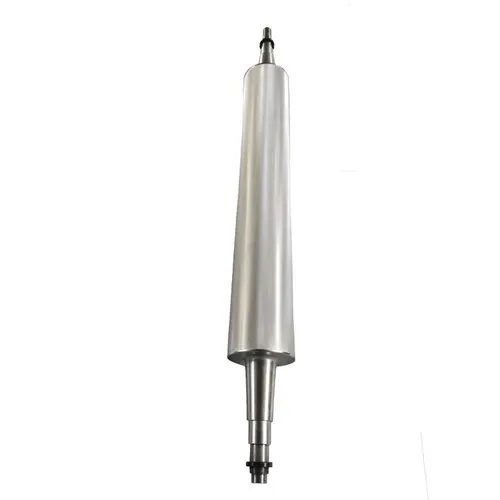
First, let’s talk about what “noise level” actually means for a manufacturing floor, because it’s not just a random number on a decibel chart. OSHA says any workplace over 85 decibels (dB) needs hearing protection, and a typical gravure roller press runs at 90-110 dB. To put that in perspective, a lawnmower is about 90 dB, a chainsaw is 100 dB — so being next to a press all shift is like running a chainsaw in a small room for 8 hours. That’s not just annoying; it’s a health hazard. But here’s the part most folks don’t tie to their equipment: when your environment is constantly loud, your team is tired, distracted, and way more likely to make mistakes — with both the rollers they’re handling and the presses themselves.
I had a client a few years back, a packaging plant in Ohio, who swore their gravure rollers were wearing out 20% faster than their average. They thought it was cheap coating on the rollers, so they upgraded to our high-precision chrome-plated ones — and still had the same issue. Turns out, their press room was hitting 105 dB on good days, no sound dampening around the presses, operators working 12-hour shifts in ear plugs. The operators were skipping the regular roller maintenance checks they’re supposed to do, because their ears were ringing so bad they couldn’t hear the tiny, early signs of roller misalignment (a faint squeal, a tiny vibration) over the press noise. That misalignment was causing uneven wear on the roller cylinders, so they were having to replace them way sooner than they should. I’ve seen this so many times: noisy environments don’t just hurt people — they mess up how your most critical production parts perform.
Let’s get into the science quick, no textbook stuff. Noise in a manufacturing space isn’t just sound waves bouncing off walls; it’s vibration. Gravure presses operate at high speeds, and when they’re running in a space with no sound absorption, that vibration amplifies. Operators in loud rooms get what’s called “noise-induced fatigue” way faster — their focus drops after just a couple hours, reaction time slows down. When you’re handling a delicate gravure roller (these aren’t cheap, by the way — high-quality ones can run hundreds, even thousands of dollars each), if you’re distracted, you’re way more likely to scratch the surface, misalign it during installation, or even drop it. That’s unnecessary damage, and it’s all tied to a loud working environment.
I saw another example last year with a flexo plant that switched to gravure for better print quality. Their initial noise level was 98 dB, and within six months, they were going through a set of anilox gravure rollers every 3 months, when our data shows they should last 6-8 months. They brought me in to audit their setup, and we found two big things: first, their press room had concrete walls and a tin ceiling — total echo chamber. Second, their operators were skipping daily roller cleaning checks, because they couldn’t hear the clogged cell pockets in the roller when it was running. Clogged anilox cells mean uneven ink transfer, which means bad print quality, and if left unaddressed, the ink can dry and scratch the roller surface — permanent damage that shortens its life. Once we added basic sound dampening panels around the presses and enforced mandatory 5-minute quiet breaks every two hours, their noise level dropped to 88 dB. Guess what? Their roller lifespan jumped to 7 months, no more print defects, and their operator turnover for that shift went down by 30%. That’s not a coincidence — that’s noise affecting every part of their operation, from equipment to people to profit.
Now, let’s talk about productivity, because that’s the big number everyone cares about. A loud working environment isn’t just about missed checks or damaged rollers; it’s about how long it takes to get a job done. When your team is straining to hear instructions, miscommunication is rampant. I’ve had clients tell me that when their press room is over 90 dB, job changeovers take twice as long — because the setup person and the operator can’t yell over the press to confirm the gravure roller size, the ink color, or the speed setting. That adds up over a week: 2 extra hours of downtime a day, just because everyone’s yelling and missing small details. And if you’re using our custom gravure rollers (we make them in any size, with precise cell counts for your specific ink and substrate), those custom specs mean nothing if the team can’t confirm they’re installing the right one. Last quarter, a client in Indiana ordered a set of 120 LPI anilox rollers for a cereal box packaging job, but his team misheard “120” as “100” over the press noise. By the time they caught the misprint, they’d run 10,000 boxes — waste that could’ve been avoided if the environment was quieter.
Here’s the kicker: a lot of plant managers see noise reduction as an extra cost, not an investment. They think “ear plugs are cheap, why bother with sound panels?” But let’s do the math. If your gravure rollers are lasting 5 months instead of 7, that’s 40% more roller purchases a year. If you’re wasting 2 hours a day on miscommunication and downtime, that’s 10 hours a week of lost production, which for a plant running 24/7 is thousands in missed revenue. And don’t forget the compliance stuff: OSHA fines for not protecting operators from noise can be up to $15,000 per serious violation. So that $2,000 in sound panels? It’s way cheaper than replacing a dozen premature rollers, fixing print defects, or paying a fine.
Now, I’m not here to sell you soundproofing (though I will say, most small changes make a huge difference — rubber mats under presses, fabric ceiling panels, even moving workstations away from the loudest machines). I’m here to connect the dots, because as a gravure roller supplier, I’ve seen firsthand how noisy environments break even the best equipment and teams. Our rollers are precision-made to last, but they can’t work their best if your floor is a hurricane of noise and vibration. When a client takes steps to lower their noise level, I consistently see a 15-20% increase in roller lifespan, fewer defects, and happier operators. That’s not a sales pitch — that’s data from 50+ clients I’ve worked with over the years.
Let’s be real: manufacturing floors will never be quiet. Presses are loud, that’s just part of the business. But you don’t have to work in a space that’s so loud it’s hurting your team and your bottom line. The first step is to get a noise level reading — most local occupational health groups will do this for free, or we can point you to a trusted contact. Once you know your numbers, small changes add up. Maybe add a few sound dampening panels around your oldest presses. Maybe schedule more breaks so your team isn’t overstrained. Maybe train your operators to listen for roller vibration over background noise, instead of just yelling over the press. And when you’re ready to upgrade your gravure rollers to ones that can handle a slightly noisier environment (wait, no — actually, let’s make sure your environment is set up for your rollers), hit me up. We work with plants of all sizes, from small print shops to big packaging companies, and we don’t just sell rollers — we partner with you to figure out what setup will work best for your space and your team.
I’ve been in this game long enough to know that every plant’s challenges are different, but noise is a universal issue that no one talks about enough. It’s not just a “comfort thing” — it’s a productivity thing, a quality thing, and for us roller suppliers, it’s a “making sure our parts work the way they’re supposed to” thing. If you’re tired of replacing gravure rollers too often, or dealing with print defects that you can’t trace back to anything obvious, start with the noise. It’s probably the culprit.
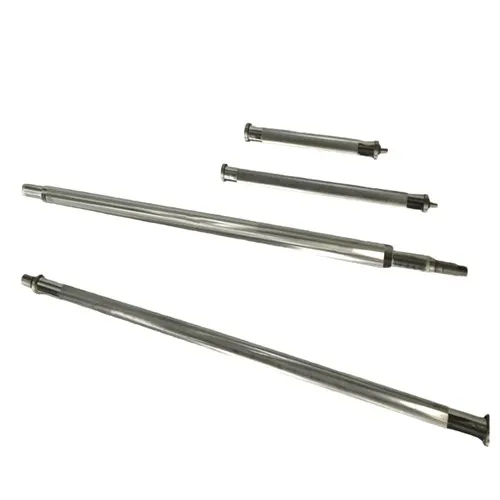
When you’re ready to chat about updating your gravure rollers or troubleshooting production issues, reach out — I’m here to help, no hard sell, just real advice from someone who’s spent his career in the thick of manufacturing floors.
Chrome Anilox Roller References
- Occupational Safety and Health Administration (OSHA). Noise and Hearing Conservation
- National Institute for Occupational Safety and Health (NIOSH). Noise-Induced Fatigue and Performance in Manufacturing Settings
- Gravure Association of America. Anilox Roller Maintenance and Operational Best Practices
Kunshan Hanhan Co., Ltd.
We’re well-known as one of the leading gravure roller manufacturers and suppliers in China. We warmly welcome you to buy high quality gravure roller made in China here from our factory. If you have any enquiry about cooperation, please feel free to email us.
Address: No. 1093, B Zone, No. 2 Xugongqiao Rd, Huaqiao Town, Kunshan City, Suzhou, Jiangsu, China
E-mail: info@kshhroller.com
WebSite: https://www.kshh-roller.com/
