If you’re like the hundreds of homeowners I speak to every week—maybe you just found a room going dark while your TV blares, or your garage door won’t close because the circuit tripped mid-cycle—circuit breaker panel issues can feel totally random and frustrating. As a circuit breaker panel supplier who’s been in this game for 12 years, I’ve seen every scenario: from a homeowner panicking because the washing machine won’t run, to an electrician calling me frustrated because they spent three hours troubleshooting a simple overlooked step. Troubleshooting your breaker panel doesn’t have to be guesswork, and you don’t need a degree in electrical engineering to do it safely (as long as you follow a few ground rules). Let’s walk through the process step-by-step, from the first sign of a problem to knowing when to call a pro, plus a few pro tips I’ve picked up over the years that I don’t share with just anyone. Circuit Breaker Panel
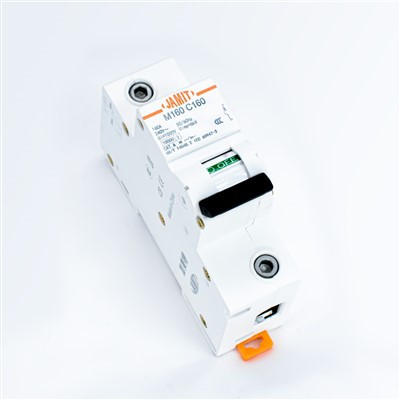
First, let’s get one non-negotiable rule out of the way upfront: safety comes before everything. I can’t stress this enough. Electricity is nothing to mess with, and a misstep in the panel can lead to a nasty shock or even an arc fault. That means no wet hands when you’re near the panel, no yanking on wires, and if you have any doubt about what you’re doing, stop right there. The panel cover is thick metal for a reason—it contains power, so you never want to expose more internal wiring than absolutely necessary. If your panel feels warm to the touch, or you smell something burning, don’t troubleshoot it yourself—call a licensed electrician immediately. That’s a red flag that’s not a simple tripped breaker, and it’s exactly the kind of situation I always advise customers to let the pros handle.
Now, let’s start with the most common issue: a single outlet or room going dark. This is usually a tripped circuit breaker, and it’s way easier to fix than people think. First, locate your breaker panel—most homes have it in the basement, garage, or a utility closet. Once you open the door, you’ll see a row of switches, each labeled with what it controls (like “Living Room,” “Kitchen Outlets,” “Washer”). The first thing to do is scan for any switch that’s not in the same position as the others; tripped breakers almost always end up right in the middle between “On” and “Off,” or slightly shifted from the rest. When you find that, push it all the way to the “Off” position, then firmly push it back to “On.” That’s it for most simple trips. Wait 10 seconds, then check if the power’s back in that room. If it is, great—you’re done. But if it trips again right away, that’s when you need to dig a little deeper, because a repeat trip isn’t just a fluke.
Wait a second—what if no breakers are in the middle position? Sometimes, older panels have breakers that don’t shift easily, or a trip so mild it doesn’t move the switch noticeably. A trick I teach all my customers (and electricians) is to take your finger and gently nudge every switch to confirm its position. Don’t force it, but if a switch feels loose or doesn’t click solidly on either end, that’s your tripped breaker. It’s easy to miss if you’re in a hurry, especially with panels that have been around for 20+ years. I’ve had customers come to me saying their breaker never trips, only to find a loose switch they missed after 10 minutes of checking.
Now, let’s talk about what causes a tripped breaker, because that matters for future troubleshooting and maintenance. The two most common reasons are overloading and a short circuit. Overloading happens when you plug too many high-wattage devices into one circuit. For example, running a space heater, a microwave, and a toaster all on the same kitchen outlet circuit—you’re way over the 15 or 20 amp limit that circuit was designed for. That extra heat trips the breaker to prevent wires from overheating and starting a fire. I always tell customers: if a circuit trips every time you plug in something new, it’s probably overloaded, not broken. Move some devices to another circuit, and that’ll fix it. A short circuit is different—it’s when a hot wire touches a neutral wire or ground wire, usually because of a damaged cord, a faulty appliance, or worn wiring. A short circuit will often trip the breaker immediately, even if you only plug one device in, and that’s a sign something is wrong with the device or wiring, not just too much power.
What if you have a whole section of the house going dark, or multiple breakers tripping at once? That’s a bigger issue, and it could be a problem with the main breaker. The main breaker is the big switch at the top or bottom of your panel that controls all the power coming into your home. If that trips, everything goes out, and it’s way more serious than a single circuit trip. Don’t reset the main breaker right away—first, unplug all the high-wattage devices in your home, because that could be the overload. Then, wait 15 minutes (let the breaker cool down), and try flipping it back on. If it trips again, stop—this is not something you should fix alone. A tripped main breaker is often a sign of a problem with your home’s electrical service, or an old panel that’s at the end of its life. I’ve sold hundreds of replacement panels over the years, and a lot of those sales came from customers who tried resetting their main breaker three times and kept getting shocked, or ended up with their whole home dark for hours.
Let’s cover a few less obvious issues that people often misdiagnose. First, a breaker that won’t stay on, even after you reset it. If you flip it to “On” and it immediately flips back to tripped, that’s usually a short circuit or a faulty breaker. Before you call an electrician, try unplugging every device on that circuit first—if it stays on, then one of those devices is bad. If it still trips with nothing plugged in, the problem is in the wiring behind the walls or the breaker itself. Another common one: a breaker that feels warm when you touch it, even if it’s not tripping. That’s not normal. A properly working breaker should stay cool to the touch, even when in use. Warmth means there’s a loose connection inside the breaker or at the terminal screw, which creates resistance and heat. Over time, that heat can melt the breaker or the wiring, leading to a fire. If you notice that, don’t wait—call a licensed electrician, or if you need to replace the breaker right away, make sure you get a compatible model. As a supplier, I always tell customers: never buy a generic breaker for your panel. Mixing brands or using the wrong amp rating is a safety hazard.
Another thing a lot of homeowners skip: regular panel maintenance. Troubleshooting is way easier (and cheaper) if you don’t have to do it all the time. I recommend having your panel inspected every 5 to 10 years by a licensed electrician, especially if your home is older than 20 years. Over time, breakers wear out, connections loosen, and panels can become outdated with newer electrical codes. For example, older panels sometimes don’t have arc fault circuit interrupter (AFCI) or ground fault circuit interrupter (GFCI) breakers, which are required in bedrooms, bathrooms, and kitchens now. If you’re troubleshooting and find that your bathroom outlets don’t have any protection, that’s a good sign you might need an upgrade. A lot of people don’t realize that a faulty panel can cause tripping issues that feel like random problems, when really it’s just old age.
Wait, let’s talk about a mistake I see all the time: people forcing a breaker to stay on even after it trips. If your breaker trips repeatedly, don’t just push it harder to “prove” it works. That can damage the breaker, melt the wires, or cause an electrical fire. I can’t tell you how many times I’ve gotten a call from a customer who did that, and now they have a burnt wire in their wall that needs to be replaced, plus a new breaker. It’s never worth taking that risk. When a breaker trips twice, you should always investigate the cause, not just reset it.
Now, let’s cover when to call a pro vs. when you can handle it yourself. You can safely reset a single tripped circuit breaker, check for overloaded circuits, and even replace a single breaker if you have the right tools (just make sure you turn off the main breaker first before working on the interior of the panel). But if you’re dealing with a tripped main breaker, warm breakers, multiple breakers tripping, burning smells, or wires that are exposed, call a licensed electrician. Electrical work is not a DIY project for most people, and mistakes can have serious consequences.
A few pro tips from my time in the business that make troubleshooting way smoother: First, keep a notebook near your breaker panel. Write down what each breaker controls, and when a circuit trips, jot it down. That way, next time it happens, you’ll remember if it was the same circuit that tripped last month, which tells you if it’s a recurring issue. Second, invest in a circuit tester. A $10 non-contact circuit tester can help you confirm if power is off to a circuit before you work on it, which adds an extra layer of safety. Third, when replacing a breaker, make sure you match the amp rating exactly. If your old breaker is 15 amp, don’t put in a 20 amp, even if it fits— that’s a huge fire risk. As a circuit breaker panel supplier, I always stock compatible breakers for all major panel brands, so my customers don’t have to guess.
If you’ve tried all these steps and you’re still having issues, or you’ve discovered your panel is old, outdated, or has visible damage, it might be time to consider upgrading your entire circuit breaker panel. A lot of homeowners wait too long to replace their panels, only to end up with a major electrical emergency. New panels are safer, they have more circuit slots to add new appliances (like a home office, an EV charger, or a new laundry room), and they meet current electrical codes that reduce fire risk. I’ve helped hundreds of families upgrade their panels, and the peace of mind that comes with a safe, properly working panel is way worth the investment.
Now, before you wrap up, let’s make sure you don’t miss any final troubleshooting steps. If you’ve reset all the breakers, checked for overloaded circuits, and none are tripping, the problem might be a faulty appliance, not the panel. Try plugging a device that works into the outlet that’s dark—if it works, the problem is the original device. If it doesn’t work, then the issue is the circuit or panel. That’s an easy test that eliminates a lot of unnecessary calls to electricians or part replacements.
At the end of the day, troubleshooting a circuit breaker panel is about being safe, systematic, and not panicking when something goes wrong. It’s easy to assume the worst when your power goes out, but most of the time, it’s a simple tripped breaker that takes two seconds to fix. When it’s not that, following these steps will help you narrow down the problem, know when to call a pro, and even prevent issues down the line.

If you’re dealing with a persistent breaker issue, need compatible replacement breakers, or are ready to upgrade your panel for a safer home, feel free to reach out for procurement discussions. Our team is here to help you find the right solution for your home or business.
Miniature Circuit Breaker References:
- National Fire Protection Association. (2022). Electrical Fires in Residential Buildings. NFPA 70: National Electrical Code.
- U.S. Consumer Product Safety Commission. (2021). Home Electrical Safety: Breaker Panels and Circuit Safety.
- Electrical Safety Foundation International. (2023). Troubleshooting Circuit Breaker Issues for Homeowners.
Tianjin JMT Electric Co., Ltd.
Tianjin JMT Electric Co., Ltd. is one of the most reliable circuit breaker panel manufacturers and suppliers in China, also supports customized service. Please feel free to buy advanced circuit breaker panel made in China here from our factory.
Address: East Side of Road No. 6, Jinghai Economic Development Zone, Tianjin
E-mail: wangbing@tj-jamit.com
WebSite: https://www.jamit-electric.com/
