Hey there, fellow builders, carpenters, and trade folks – it’s Jake from the LVL board supply team here, and today I want to have a real chat about something that doesn’t always get talked about enough: the drawbacks of LVL boards. I’ve been working with LVL for over a decade, both selling it to contractors and using it on jobsites myself, so I’m not just spouting industry jargon – I’ve seen these issues firsthand, and I think it’s important we’re honest about them, not just pushing the “perfect every time” line that some suppliers (even ones that aren’t me) like to hype. LVL Board
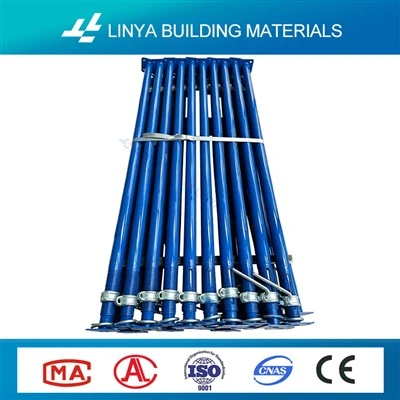
LVL, or Laminated Veneer Lumber, gets a lot of love these days. It’s made by pressing thin wood veneers together with strong adhesives, so it’s super straight, doesn’t warp like solid timber, and can span longer distances without sagging. That’s why it’s gone from being a niche industrial product to showing up in everything from residential floor joists to large commercial builds. But here’s the thing: it’s not a one-size-fits-all solution, and there are some real downsides you need to weigh before grabbing it for your next project.
First up – cost. If you’ve priced LVL lately, you know this isn’t your average dimensional lumber. Last year, we had a customer who was building a 10-home subdivision, and they initially tried to spec LVL for all their roof joists. When they got the quote, they did a double-take: LVL was 30 to 40 percent more expensive than comparable solid wood joists of the same strength. And it’s not just the upfront cost. Because LVL is engineered, you can’t just grab a random stud from the lumber yard when you need an extra piece mid-job. It’s sold in specific sizes, grades, and lengths, so if you miscalculate a cut or damage a board, you can’t run to the corner store for a replacement – you have to order it, which adds both time and extra fees if you need something last minute. For small contractors or residential builds on tight budgets, that extra cost can add up fast, and it’s a big reason some folks stick to solid wood instead.
Next, there’s its weight. LVL is strong, but it’s also denser than traditional solid lumber. Let’s do a quick comparison: a 2×10 solid pine joist is about 12 pounds, while a 2×10 LVL of the same length clocks in at around 20 pounds. That might not sound like much for a single board, but when you’re lifting 50 or 100 of them onto a second-floor floor system, that’s an extra 400 to 800 pounds of material to haul and lift manually. I’ve seen crew members burn out their arms halfway through a job because they’re handling more weight, and some smaller lifts require extra manpower or even small equipment like a boom lift that you wouldn’t need for lighter solid lumber. That adds labor time and costs too, which is a hidden downside that a lot of new builders don’t consider until they’re on the jobsite.
Moisture is another big one, and this is a mistake I’ve seen happen way too often. LVL’s adhesive is water-resistant, not waterproof. If it gets exposed to consistent high moisture – like if a pipe bursts during framing, or if you leave it outside uncovered for a few days on a rainy job – the veneers can start to separate. Unlike solid wood, which might swell a little or mold but doesn’t delaminate, LVL’s layers can pull apart when wet, and once that happens, the board loses almost all its structural strength. We had a customer a couple years back who stored a stack of LVL beams next to an open window during a week of heavy rain. By the time he noticed, the bottom three boards had delaminated so bad he had to scrap the whole stack. Solid wood might have survived that exposure, but LVL is much more sensitive to prolonged moisture, so you have to be way more careful about storing it properly – not just on the jobsite, but during transport too.
And while we’re talking about jobsite handling, there’s the issue of notching and drilling. LVL is designed as a consistent, engineered product, so cutting notches or drilling holes in it follows very strict rules – way stricter than for solid lumber. If you look at the standard code for solid wood, you can notch the end of a joist up to a certain depth, but for LVL, you can only notch the very end, and even then only a tiny fraction of the board’s height. For holes, they can only be drilled in the center of the board’s height, and only within a specific range of distances from the ends. If you mess up – say, drill a utility hole in the bottom third of an LVL joist for electrical wiring – you’re not just weakening it, you could void the manufacturer’s warranty. I’ve had customers come to me panicking because their framer drilled a hole in the wrong spot, and we’ve had to deny warranty claims because of that. With solid lumber, a small mistake like that might be fixable, but LVL doesn’t give you that leeway. That means you have to have your tradespeople trained specifically on LVL rules, and if you’re working with a less experienced crew, that’s an extra layer of risk and hassle.
Then there’s the fire risk, which is something people don’t talk about enough. LVL’s adhesive is what makes it strong, but when it burns, it releases more toxic fumes than solid wood. In a structure fire, that’s a big safety hazard for firefighters and anyone trapped inside. Also, while LVL does have a charring rate similar to solid wood (it burns at a consistent speed, which is why building codes sometimes allow it for structural use), the adhesive can create extra heat during burning, which might cause the board to lose strength faster than solid wood in extreme heat. I’m not saying LVL is unsafe – plenty of codes approve it – but it’s something to consider if fire safety is a top priority for your project, especially in areas with strict fire regulations.
And let’s not forget about availability. LVL is manufactured in specific facilities, so it’s not as widely stocked as dimensional lumber. During supply chain snags – like we had a couple years ago when the pandemic hit – LVL lead times blew out to 4 to 6 weeks, compared to 1 to 2 weeks for solid wood. If you’re on a tight schedule, that delay can throw your whole project off. We even had a customer who had to pause a commercial build for 3 weeks because their LVL order didn’t arrive, which cost them thousands in penalty fees for missing their completion date. Solid wood, on the other hand, is milled all over the place, so you can almost always get it faster, even when supplies are tight.
Now, I want to be clear – I’m not here to bash LVL. It has a ton of benefits: it’s incredibly straight, so you don’t have to deal with cupped or twisted joists that can ruin a floor; it spans longer distances than solid wood, which means fewer support beams; and it’s consistent, so you don’t have to sort through a pile of solid wood to find the straight boards. It’s a great choice for many projects. But as a supplier who works with builders every day, I think it’s my job to tell you the whole truth, not just the sales pitch.
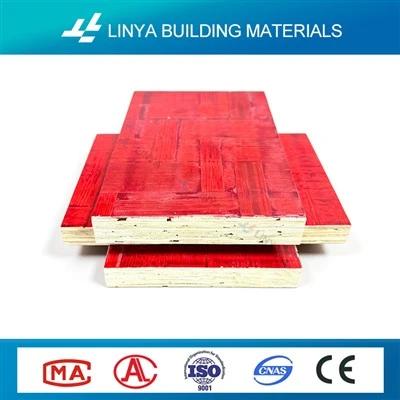
If you’re considering LVL for your next build, here’s what I recommend: weigh the cost difference against the long-term benefits. If you’re building a small shed or a tiny home on a super tight budget, solid wood might be the way to go. But if you’re doing a multi-story residential build or a commercial structure where span and consistency matter, LVL could be worth the extra cost – as long as you plan ahead for storage, handle it correctly, and make sure your crew knows the rules for drilling and notching.
Steel Prop If you’d like to chat through your project, talk about whether LVL is the right fit, or get a quote tailored to your needs, feel free to reach out. We’re here to help you make the best choice for your build, not just sell you the product.
References
- Wood Handbook: Wood as an Engineering Material, USDA Forest Service, 2010.
- Engineered Wood Construction Guide, American Wood Council, 2018.
- “Laminated Veneer Lumber: Performance and Applications”, Structural Building Components Association, 2021.
- “Moisture Effects on Engineered Wood Products”, Forest Products Laboratory, University of Wisconsin-Madison, 2019.
Shenzhen Linya Building Materials Co., Ltd.
We are one of the most professional LVL board manufacturers and suppliers in China, also support customized service. Welcome to buy bulk high quality LVL board in stock here from our factory. If you have any enquiry about free sample, please feel free to email us.
Address: Bantian International Center, No.5 Huancheng South Road, Ma’antang Community, Bantian Street, Longgang District, Shenzhen
E-mail: linya@formworksteelprop.com
WebSite: https://www.linyabuildingmaterials.com/
