Hey there! I’m a supplier for Caterpillar Pistons, and I’ve been in this game for quite some time. Today, I wanna chat about what creep resistance is when it comes to these pistons. Caterpillar Piston
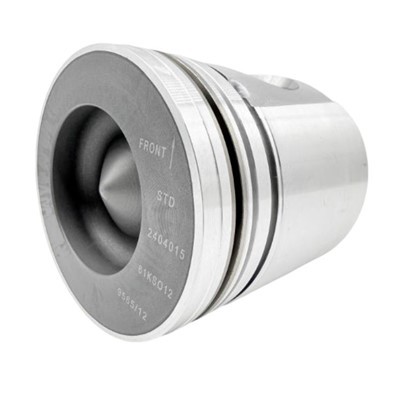
First off, let’s understand what creep is. Creep is basically the gradual deformation of a material over time when it’s under a constant load and at an elevated temperature. It’s like when you leave a heavy book on a soft plastic shelf for a long time, and the shelf starts to bend slowly. In the case of Caterpillar Pistons, they operate in some pretty tough conditions. The combustion chamber in an engine is super hot, and the pistons are constantly under high pressure from the expanding gases during the power stroke.
So, why is creep resistance so important for Caterpillar Pistons? Well, if a piston starts to deform due to creep, it can cause all sorts of problems. The piston might not fit properly in the cylinder anymore. This can lead to a loss of compression, which means the engine won’t be as efficient. You might notice a decrease in power output, higher fuel consumption, and even more emissions.
Let’s talk about the factors that affect the creep resistance of Caterpillar Pistons. One of the biggies is the material. Caterpillar Pistons are usually made from high – strength alloys. These alloys are carefully engineered to have good creep resistance. For instance, aluminum alloys are commonly used because they’re lightweight, which helps improve the engine’s overall performance. But not all aluminum alloys are the same. The ones used in Caterpillar Pistons have special additives and a specific microstructure that make them more resistant to creep.
The heat treatment process also plays a crucial role. After the pistons are cast or forged, they go through a series of heat treatment steps. This helps to strengthen the material and improve its creep resistance. Heat treatment can change the internal structure of the alloy, making it more stable under high temperatures and loads.
Another factor is the design of the piston. The shape and thickness of different parts of the piston can affect how it responds to creep. For example, a well – designed piston will have a uniform stress distribution. If there are areas of high stress concentration, those areas are more likely to experience creep deformation. So, Caterpillar engineers spend a lot of time optimizing the piston design to minimize stress concentrations and improve creep resistance.
Now, let’s get into how we test the creep resistance of these pistons. We use specialized testing equipment that can simulate the high – temperature and high – pressure conditions inside an engine. We take samples of the piston material and subject them to a constant load at a specific temperature for a long period of time. We measure how much the sample deforms over time. Based on these test results, we can predict how the actual piston will perform under real – world conditions.
As a supplier, we’re always working on improving the creep resistance of Caterpillar Pistons. We collaborate with Caterpillar engineers to develop new materials and manufacturing processes. We’re constantly looking for ways to make the pistons more durable and reliable.
One of the challenges we face is balancing different properties. For example, while we want to improve creep resistance, we also need to keep the piston lightweight. This is because a heavier piston can increase the engine’s inertia, which can reduce its efficiency. So, it’s a bit of a juggling act to find the right combination of properties.
We also have to consider cost – effectiveness. Developing new materials and processes can be expensive, but we need to make sure that the end – product is still affordable for our customers. That’s why we invest a lot of time in research and development to find the most cost – effective solutions.
In the automotive and heavy – equipment industries, the demand for more efficient and reliable engines is always growing. As a result, the need for pistons with better creep resistance is also increasing. Caterpillar is a well – known brand in these industries, and their pistons need to meet the highest standards.
We’re really proud to be a supplier for Caterpillar Pistons. We know that our products play a crucial role in the performance of their engines. Whether it’s in a construction vehicle, a generator, or a marine engine, our pistons need to be able to withstand the tough conditions and perform reliably.
So, if you’re in the market for high – quality Caterpillar Pistons with excellent creep resistance, don’t hesitate to reach out. We’re here to provide you with the best products and the most reliable service. Whether you’re a small repair shop or a large manufacturing company, we can work with you to meet your specific needs.
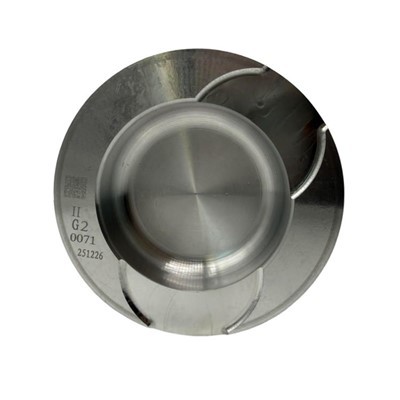
If you have any questions about the creep resistance of our pistons or our other products, feel free to contact us. We’d love to have a chat with you about how we can help you improve your engine’s performance.
Weichai Piston References:
- "Materials Science and Engineering: An Introduction" by William D. Callister Jr. and David G. Rethwisch
- "Internal Combustion Engine Fundamentals" by John B. Heywood
Hebei Yuwei Piston Co., Ltd.
As one of the most professional caterpillar piston manufacturers and suppliers in China, we’re featured by quality products and good service. Please rest assured to buy customized caterpillar piston made in China here from our factory. Also, quotation is available.
Address: Beizhujiacun Village, Sujiuzhuang Town, Ningjin County, Xingtai City, Hebei Province
E-mail: jack@ywpiston.com
WebSite: https://www.ywpiston.com/
