Hey there! I’m an aluminium strip supplier, and today I wanna chat about the environmental impacts of aluminium strip production. It’s something that’s been on my mind a lot lately, especially as more and more customers are asking about the sustainability of the products they buy. So, let’s dive in and take a look at the good, the bad, and the ugly of making aluminium strips. Aluminium Strip

The Raw Materials: Bauxite Mining
First off, let’s talk about where aluminium comes from. Most aluminium is made from bauxite, a rock that’s rich in aluminium oxide. Mining bauxite can have some pretty significant environmental impacts. For starters, it often involves clearing large areas of land. This means cutting down trees and destroying habitats for wildlife. The loss of vegetation can lead to soil erosion, which can cause problems like sedimentation in nearby rivers and streams.
Another issue is water pollution. Bauxite mining operations use a lot of water to process the ore. This water can become contaminated with heavy metals and other chemicals, which can then seep into the ground or be released into waterways. This can have a negative impact on aquatic life and the quality of drinking water for nearby communities.
The energy required for bauxite mining is also a biggie. Heavy machinery like excavators and trucks need fuel to operate, and that fuel usually comes from fossil fuels. Burning fossil fuels releases greenhouse gases into the atmosphere, contributing to climate change.
The Refining Process: Turning Bauxite into Alumina
Once the bauxite is mined, it needs to be refined into alumina (aluminium oxide). This process is called the Bayer process, and it’s a pretty energy – intensive one. A whole bunch of heat and pressure is used to separate the alumina from the other components in the bauxite.
The Bayer process also produces a by – product called red mud. Red mud is highly alkaline and contains a variety of heavy metals. Disposing of red mud is a major environmental challenge. If it’s not managed properly, it can leach into the soil and water, causing pollution. And storing red mud requires large areas of land, which can be another source of habitat destruction.
The energy used in the refining process mostly comes from coal – fired power plants in many parts of the world. As we all know, coal is a dirty fossil fuel that releases large amounts of carbon dioxide, sulfur dioxide, and other pollutants when burned. This not only contributes to climate change but also causes air pollution, which can have serious health effects on humans.
The Smelting Process: Turning Alumina into Aluminium
The next step is smelting the alumina to turn it into aluminium. This is done in a smelter using the Hall – Héroult process. It’s an incredibly energy – hungry process. In fact, aluminium smelting is one of the most energy – intensive industries out there.
Most of the energy for smelting comes from electricity. If the electricity is generated from fossil fuels, it means a huge amount of greenhouse gas emissions. Even if it’s from hydroelectric power, there can still be environmental impacts. Building large dams for hydroelectric power can disrupt river ecosystems, displace local communities, and change the natural flow of water.
During the smelting process, some perfluorocarbons (PFCs) are also released. PFCs are extremely potent greenhouse gases. They have a much higher global warming potential than carbon dioxide, meaning they can trap a lot more heat in the atmosphere over a long period of time.
The Manufacturing of Aluminium Strips
Once we have the aluminium, we can start making aluminium strips. The manufacturing process involves rolling the aluminium sheets into strips. This process also uses energy, mainly for heating and operating the rolling mills. If the energy comes from non – renewable sources, it adds to the overall carbon footprint of the aluminium strips.
There’s also the issue of waste generation. During the rolling process, there can be some scrap aluminium. If this scrap isn’t recycled properly, it ends up in landfills. And aluminium takes a really long time to break down in landfills.
The Good News: Recycling Aluminium
Now, here’s the silver lining. Aluminium is one of the most recyclable materials out there. Recycling aluminium uses only about 5% of the energy required to produce new aluminium from bauxite. That’s a huge energy savings!
When we recycle aluminium strips, we reduce the need for bauxite mining, which in turn helps to preserve natural habitats and reduce water and air pollution. Recycling also cuts down on the amount of waste going to landfills.
As an aluminium strip supplier, I’m really big on promoting recycling. We encourage our customers to return their scrap aluminium to us so that we can recycle it and turn it into new strips. It’s a win – win situation for the environment and for our business.
What We’re Doing to Minimize Environmental Impacts
At our company, we’re taking steps to minimize the environmental impacts of our aluminium strip production. We’re constantly looking for ways to improve the energy efficiency of our manufacturing processes. For example, we’re upgrading our equipment to more energy – efficient models.
We’re also working on reducing our water consumption. By implementing water – saving technologies and recycling water within our facilities, we’re able to cut down on the amount of fresh water we use.
In terms of waste management, we have a strict recycling policy. We make sure that all the scrap aluminium generated during production is recycled. And we’re exploring ways to reduce the amount of other types of waste we produce as well.
Wrapping It Up and Reaching Out
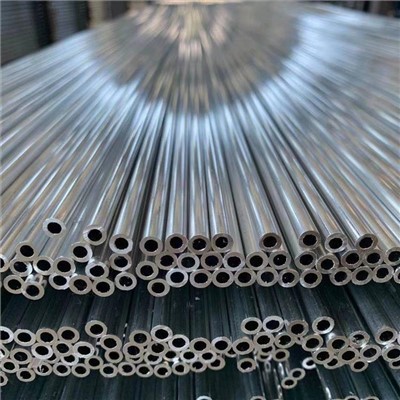
So, to sum it up, aluminium strip production does have some environmental impacts, but there are also a lot of ways to mitigate them. Recycling is a key part of the solution, and we’re committed to doing our part in promoting a more sustainable aluminium industry.
Household Aluminium Foil If you’re in the market for high – quality aluminium strips and you’re concerned about the environment, we’d love to hear from you. We can provide you with more information about our products and the steps we’re taking to reduce our environmental footprint. Whether you’re a small business or a large corporation, we’re here to meet your aluminium strip needs. Let’s work together to create a more sustainable future while still getting the products you need.
References
- "Aluminium Production and the Environment." International Aluminium Institute.
- "Environmental Impacts of Bauxite Mining." World Wildlife Fund.
- "Energy Efficiency in Aluminium Manufacturing." Aluminium Association.
Henan Gnee New Material Co., Ltd
Gnee Steel (Tianjin) Co., Ltd. is one of the most professional aluminium strip manufacturers and suppliers in China, featured by quality products and competitive price. Please rest assured to buy aluminium strip for sale here from our factory.
Address: No.4-1114, Beichen Building, Beicang Town, Beichen District, Tianjin, China
E-mail: sale@gneealu.com
WebSite: https://www.alufoil-china.com/
